Naturopathy vs Modern Medicine
In today’s fast-paced world, health has become a top priority. With rising lifestyle diseases and increasing stress, people are now exploring different healing systems. Two major approaches dominate the healthcare landscape: naturopathy and modern medicine. While one emphasizes natural healing and prevention, the other focuses on advanced diagnostics and quick treatment.
This raises an important question: Which is better—naturopathy or modern medicine? Let’s explore both systems in detail and understand how they differ, their benefits, limitations, and which approach suits your needs best.
What is Naturopathy?
Naturopathy is a holistic system of healing that focuses on the body’s natural ability to heal itself. It relies on natural elements like diet, herbs, sunlight, water, exercise, and rest.
Key Principles of Naturopathy:
- Healing through nature
- Treating the root cause, not just symptoms
- Prevention is better than cure
- Minimal use of drugs or chemicals
- Holistic approach: mind, body, and spirit
Common Naturopathic Treatments:
- Diet therapy (raw food, detox diets)
- Hydrotherapy (water-based treatments)
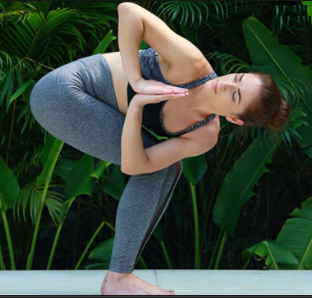
- Yoga and meditation
- Herbal remedies
- Fasting and detoxification
What is Modern Medicine?
Modern medicine, also known as allopathy, is a scientific system based on research, clinical trials, and advanced technology. It focuses on diagnosing and treating diseases using medications, surgery, and medical procedures.
Key Features of Modern Medicine:
- Evidence-based treatments
- Quick symptom relief
- Advanced diagnostics (MRI, CT scans, blood tests)
- Emergency and critical care
- Specialized treatments (cardiology, neurology, etc.)
Common Treatments:
- Prescription drugs
- Surgery
- Vaccinations
- Antibiotics and painkillers
Naturopathy vs Modern Medicine: Key Differences
| Aspect | Naturopathy | Modern Medicine |
|---|---|---|
| Approach | Holistic | Symptom-based |
| Focus | Root cause | Immediate relief |
| Treatment | Natural remedies | Drugs & surgery |
| Side Effects | Minimal | Possible side effects |
| Speed | Slow but steady | Fast results |
| Cost | Often affordable | Can be expensive |
Benefits of Naturopathy
Naturopathy has been practiced for centuries and is deeply rooted in traditional healing.
🌿 Advantages:
- Promotes long-term health
- Strengthens immunity naturally
- Minimal or no side effects
- Encourages a disciplined lifestyle
Effective for chronic conditions like:
- Diabetes (early stages)
- Obesity
- Digestive issues
- Stress and anxiety
Example:
A person with chronic acidity may benefit from diet correction, hydration, and stress management instead of relying only on antacids.
Benefits of Modern Medicine
Modern medicine has revolutionized healthcare, especially in critical situations.
💊 Advantages:
- Life-saving in emergencies
- Fast and effective results
- Accurate diagnosis using technology
- Essential for infections and injuries
Effective for:
- Surgeries
- Trauma care
- Severe infections
- Acute conditions
Example:
In cases like heart attacks or accidents, modern medicine is essential and cannot be replaced by natural methods.
Limitations of Naturopathy
While powerful, naturopathy has its boundaries.
- Slow results require patience
- Not suitable for emergencies
- Requires strict discipline
- Scientific evidence is still evolving in some areas
Limitations of Modern Medicine
Modern medicine, though advanced, has certain drawbacks.
- Possible side effects from drugs
- Focuses more on symptoms than root cause
- Can become expensive
- Over-dependence on medication
Which is Better: Naturopathy or Modern Medicine?
The truth is, neither is universally better. Each system has its own strengths.
Choose Naturopathy When:
- You want to prevent disease
- Managing chronic conditions
- Seeking a natural lifestyle
- Reducing stress and improving overall wellness
Choose Modern Medicine When:
- Facing emergencies or acute conditions
- Need quick relief
- Require surgery or specialized treatment
- Dealing with infections or injuries
The Best Approach: Integration of Both
The wisest approach is not choosing one over the other, but combining both.
Integrated Healing Approach:
- Use modern medicine for diagnosis and emergencies
- Follow naturopathy for long-term healing and prevention
Example:
A diabetic patient may take prescribed medication (modern medicine) while also following a natural diet, yoga, and lifestyle changes (naturopathy).
This balanced approach ensures:
- Immediate relief when needed
- Long-term health and stability
Practical Tips for Daily Life
To get the best of both worlds, adopt simple habits:
- Start your day with natural routines (water, sunlight, yoga)
- Eat fresh, unprocessed foods
- Avoid unnecessary medications
- Consult doctors when needed
- Practice stress management techniques
- Maintain regular health checkups
FAQs
1. Is naturopathy scientifically proven?
Some aspects are backed by research, especially diet, exercise, and stress management. However, more studies are needed for certain therapies.
2. Can naturopathy cure all diseases?
No. It is effective for many chronic conditions but not suitable for emergencies or severe diseases.
3. Is modern medicine harmful?
Not inherently. When used correctly, it is life-saving. Problems arise with overuse or misuse.
4. Can I combine both treatments?
Yes, but always consult a qualified professional before combining therapies.
5. Which is more cost-effective?
Naturopathy is generally more affordable, but modern medicine is essential for critical care.
Conclusion
The debate between naturopathy and modern medicine is not about choosing one and rejecting the other. Both systems have stood the test of time in their own ways.
Naturopathy reminds us of the power of nature and disciplined living, while modern medicine provides life-saving solutions and scientific precision. When used wisely together, they create a powerful path toward complete well-being.
In the end, true health lies in balance—respecting nature, embracing science, and making conscious choices for a healthier future.
Read on : Spiritual Power of Pranayama for Stress Management