

Anatomy
Human Anatomy is the study of the structure and organization of the human body. It includes the study of the bones, muscles, organs, systems, and tissues that make up the human body. Understanding human anatomy is important for medical professionals, scientists, and anyone interested in the workings of the human body.
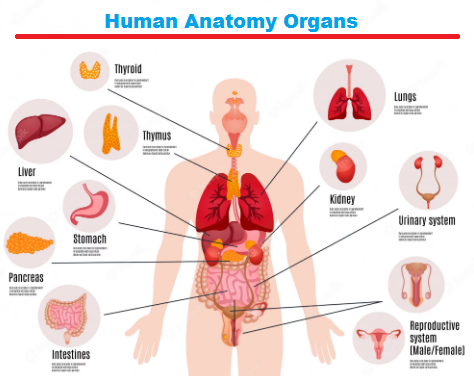

[This article may help students of first year medical degree like MBBS, BAMS, BHMS, BNYS, BUMS, BSMS etc.]
Introduction of Bones of the Human Body
The human body has 206 bones that work together to provide support, protection, and movement. Here’s a brief introduction to the different types of bones in the human body:
- Long bones: These bones are longer than they are wide and are found in the arms, legs, and fingers.
- Short bones: These bones are roughly cube-shaped and are found in the wrists and ankles.
- Flat bones: These bones are thin, flat, and often curved. They are found in the skull, ribs, and shoulder blades.
- Irregular bones: These bones don’t fit into any of the above categories and have irregular shapes. Examples include the vertebrae and some of the facial bones.
Each bone in the human body has a specific function and shape that enables it to perform its role in the body. The study of human bones is an important part of anatomy and physiology, and helps us better understand how the body works.
Vital Organs of human body and their functions
There are several vital organs in the human body, each with its own unique function. Here are some of the most important:
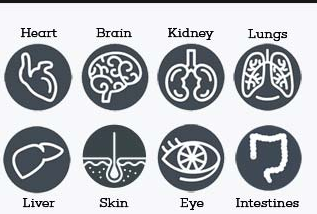

- Brain: The brain is the control center of the body, responsible for processing information and controlling movements.
- Heart: The heart pumps blood throughout the body, delivering oxygen and nutrients to the organs and tissues.
- Lungs: The lungs allow us to breathe by taking in oxygen and expelling carbon dioxide.
- Liver: The liver plays a vital role in processing and breaking down nutrients, filtering toxins from the blood, and producing bile to aid in digestion.
- Kidneys: The kidneys filter waste products from the blood and help regulate fluid and electrolyte balance.
- Pancreas: The pancreas produces enzymes that help break down food in the small intestine, and also produces hormones that help regulate blood sugar levels.
- Intestines: The small and large intestines are responsible for digesting food and absorbing nutrients.
- Spleen: The spleen helps filter blood, removing damaged or old red blood cells.
These organs work together to keep the body functioning properly. Any disruption to their function can have serious consequences for overall health.
Respiratory Organs:
The respiratory system consists of several organs that work together to help us breathe. Here are some of the main respiratory organs in the human body:
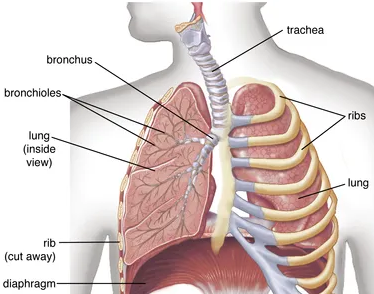

- Nose: The nose is the entry point for air into the respiratory system. It filters, warms, and humidifies the air before it reaches the lungs.
- Mouth: The mouth can also be used to breathe in air, but is not as efficient as the nose.
- Pharynx: The pharynx is a tube that connects the nose and mouth to the trachea.
- Larynx: The larynx contains the vocal cords and helps us produce sound.
- Trachea: The trachea, also known as the windpipe, carries air from the pharynx into the lungs.
- Bronchi: The bronchi are two branches of the trachea that lead to the left and right lungs.
- Lungs: The lungs are the main respiratory organs, responsible for taking in oxygen and expelling carbon dioxide. They are made up of small air sacs called alveoli.
The respiratory system is an essential part of the body’s overall function, allowing us to take in oxygen and remove carbon dioxide. Any issues with the respiratory organs can lead to breathing problems and other health issues.
Circulatory Organs:
The circulatory system is responsible for transporting blood, nutrients, oxygen, and hormones throughout the body. It includes several organs that work together to keep the blood flowing. Here are some of the main circulatory organs in the human body:
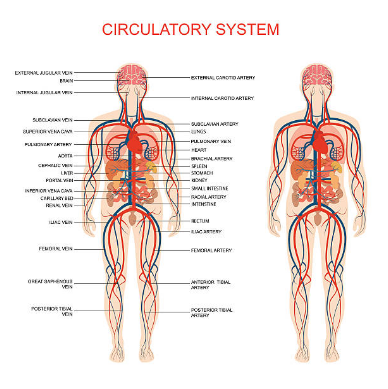

- Heart: The heart is a muscular organ that pumps blood throughout the body. It is responsible for regulating blood flow and maintaining blood pressure.
- Arteries: Arteries are blood vessels that carry oxygenated blood away from the heart and to the rest of the body.
- Veins: Veins are blood vessels that carry deoxygenated blood back to the heart.
- Capillaries: Capillaries are tiny blood vessels that connect arteries and veins. They are responsible for exchanging oxygen, nutrients, and waste products between the blood and the surrounding tissues.
- Lungs: The lungs are also considered part of the circulatory system because they are responsible for taking in oxygen and expelling carbon dioxide.
- Kidneys: The kidneys are responsible for filtering waste products from the blood and regulating fluid and electrolyte balance.
- Spleen: The spleen filters blood, removing damaged or old red blood cells.
These organs work together to maintain the flow of blood throughout the body, keeping all of the body’s cells and tissues supplied with oxygen and nutrients. Any disruptions to the circulatory system can lead to serious health issues.
Digestive system organs:
The digestive system is responsible for breaking down food and absorbing nutrients from the food we eat. It includes several organs that work together to digest food and eliminate waste. Here are some of the main digestive organs in the human body:
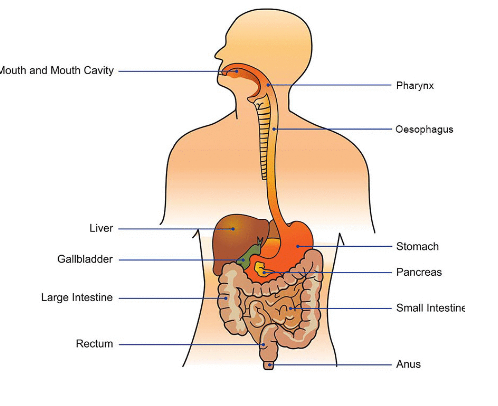

- Mouth: The mouth is the entry point for food into the digestive system. It breaks food down into smaller pieces and mixes it with saliva, which contains enzymes that help to begin the digestion process.
- Esophagus: The esophagus is a tube that connects the mouth to the stomach. It uses muscular contractions to move food to the stomach.
- Stomach: The stomach is responsible for further breaking down food into a liquid state using acid and enzymes.
- Small intestine: The small intestine is where most of the absorption of nutrients takes place. The walls of the small intestine are lined with millions of tiny finger-like projections called villi, which increase the surface area for absorption.
- Large intestine: The large intestine, also known as the colon, absorbs water and electrolytes from the remaining food waste, forming solid feces.
- Pancreas: The pancreas produces enzymes that help break down food in the small intestine. It also produces hormones that help regulate blood sugar levels.
- Liver: The liver produces bile, which helps to break down fats in the small intestine.
- Gallbladder: The gallbladder stores and releases bile into the small intestine.
These organs work together to digest food and eliminate waste. Any disruptions to the digestive system can lead to digestive problems and other health issues.
Human Physiology


