Author name: SKB

HUMAN MICROBIOLOGY

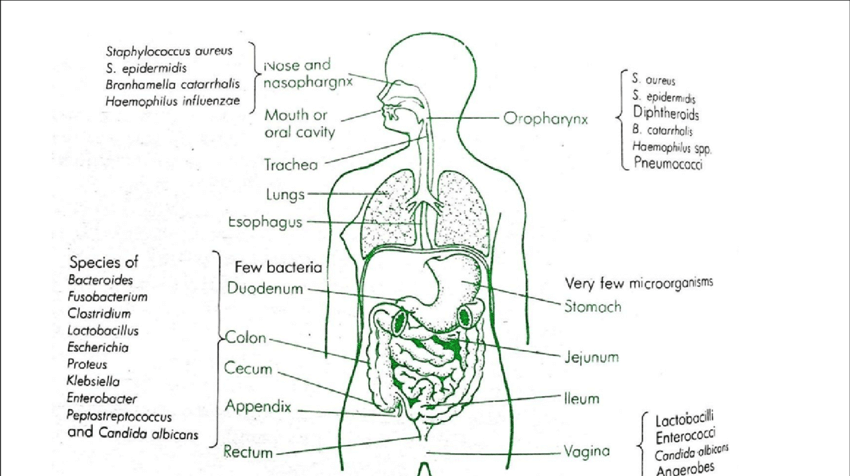
What is HUMAN MICROBIOLOGY? Human microbiology is the study of microorganisms that live on or within the human body. These microorganisms include bacteria, viruses, fungi, and other microbes that inhabit our skin, mouth, intestines, and other parts of our body. The study of human microbiology helps us to better understand the interactions between these microorganisms […]

Share

HUMAN MICROBIOLOGY Read More »

Biochemistry

Introduction to Biochemistry Biochemistry is the study of chemical processes within living organisms, and it is a crucial field of study that is essential in understanding the human body. Biochemistry encompasses various areas of research, including genetics, metabolism, and protein structure and function. The human body is an intricate system that requires the coordination of

Share

Biochemistry Read More »

HUMAN PATHOLOGY

Introduction to Human Pathology  Human pathology is the study of diseases and how they affect the human body. It is a branch of medical science that deals with the diagnosis and treatment of illnesses. Pathologists are medical professionals who study diseases and disorders to help diagnose and treat them. They use laboratory tests, imaging techniques,

Share

HUMAN PATHOLOGY Read More »

HUMAN PHYSIOLOGY

Human physiology Human physiology is the study of the functions and processes that occur within the human body. It concerns the way in which our bodies work, and how they maintain homeostasis, or balance, to ensure that we remain healthy and functioning properly. The study of human physiology covers a wide range of disciplines, including

Share

HUMAN PHYSIOLOGY Read More »

Human Anatomy

Anatomy Human Anatomy is the study of the structure and organization of the human body. It includes the study of the bones, muscles, organs, systems, and tissues that make up the human body. Understanding human anatomy is important for medical professionals, scientists, and anyone interested in the workings of the human body. [This article may

Share

Human Anatomy Read More »

yoga for eye health

About Human Eye The human eye is one of the most complex and sophisticated organs in the body. Here are some facts about the human eye: The human eye is about 1 inch in diameter and weighs about 0.25 ounces. The eye has several parts, including the cornea, iris, pupil, lens, retina, and optic nerve.

Share

yoga for eye health Read More »

JavaScript built-in functions

Built-in Functions : JavaScript  Javascript functions (in the place of console.log(), you can use document.write() see output on browser) let num = 1234.5678; console.log(num.toExponential(2)); // Output: 1.23e+3 let num = 123.456; console.log(num.toFixed(2)); // Output: 123.46 let num = 1234567.89; console.log(num.toLocaleString(‘en-US’)); // Output: 1,234,567.89 let num = 123.456; console.log(num.toPrecision(5)); // Output: 123.46 let num = 123;

Share

JavaScript built-in functions Read More »

object detection using python

object detection using python Some popular libraries for object detection in Python include: OpenCV: an open-source computer vision library that provides a number of algorithms for object detection, including Haar cascades, HOG (Histogram of Oriented Gradients), and deep learning-based approaches using convolutional neural networks. TensorFlow Object Detection API: a powerful object detection framework that uses

Share

object detection using python Read More »

what is science?

All about SCIENCE Science is a systematic and logical approach to discovering how the natural world works. It involves observing, experimenting, and analyzing data to develop theories and explanations for various phenomena. Science covers a wide range of fields, including biology, chemistry, physics, and more. Its discoveries and advancements have greatly impacted our understanding of

Share

what is science? Read More »

Share
Scroll to Top