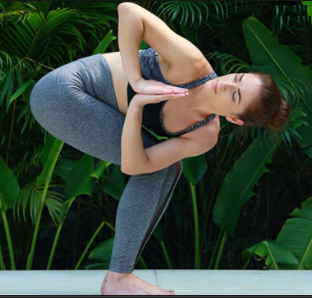
The Science and Spiritual Power of Pranayama for Stress Management
In today’s fast-paced world, stress has become a constant companion for many. While modern solutions often focus on external fixes, ancient yogic wisdom offers a powerful internal tool—Pranayama, the science of breath control. Rooted in centuries-old tradition, pranayama is not just a breathing exercise; it is a bridge between the body, mind, and spirit.
This article explores both the scientific benefits and spiritual depth of pranayama, helping you understand how a simple practice can transform your stress into calmness and clarity.
What is Pranayama?
Pranayama comes from two Sanskrit words:
- Prana – Life force or vital energy
- Ayama – Expansion or control
Together, pranayama means the regulation and expansion of life energy through breath.
Unlike ordinary breathing, pranayama involves conscious, rhythmic control of inhalation, exhalation, and retention, which directly influences the nervous system and mental state.
The Science Behind Pranayama and Stress Relief
Modern science increasingly supports what yogis have known for centuries: breath controls the mind.
1. Activates the Parasympathetic Nervous System
Pranayama stimulates the parasympathetic nervous system, also known as the “rest and digest” system.
Result:
- Reduced heart rate
- Lower blood pressure
- Calm mental state
This directly counteracts the fight-or-flight response caused by stress.
2. Reduces Cortisol Levels
Cortisol is the primary stress hormone. Chronic stress leads to consistently high cortisol levels, causing:
- Anxiety
- Poor sleep
- Weight gain
Regular pranayama practice has been shown to:
- Lower cortisol levels
- Improve hormonal balance
3. Improves Oxygen Supply
Deep, controlled breathing increases oxygen intake and improves circulation.
Benefits include:
- Better brain function
- Increased focus and clarity
- Reduced fatigue
4. Balances Brain Activity
Certain pranayama techniques, like alternate nostril breathing, help balance the left and right hemispheres of the brain.
Outcome:
- Emotional stability
- Better decision-making
- Reduced mental clutter
The Spiritual Power of Pranayama
Beyond physical and mental benefits, pranayama plays a vital role in spiritual growth.
1. Calms the Fluctuations of the Mind
In yogic philosophy, the mind is often restless. Pranayama helps:
- Slow down thought patterns
- Reduce inner noise
- Create a state of stillness
This prepares the practitioner for meditation and deeper awareness.
2. Enhances Inner Awareness
As breathing becomes slower and more conscious, awareness naturally turns inward.
You begin to notice:
- Subtle sensations in the body
- Emotional patterns
- Inner peace beyond external circumstances
3. Cleanses Energy Channels (Nadis)
According to yoga, the body contains energy pathways called nadis.
Pranayama helps:
- Remove energetic blockages
- Improve the flow of prana
- Increase vitality and harmony
4. Connects You with Higher Consciousness
Regular practice leads to:
- Deep states of calm
- Spiritual clarity
- A sense of connection with something greater
This is why pranayama has always been considered a sacred practice, not just a physical one.
Best Pranayama Techniques for Stress Management
Here are some time-tested techniques that are simple yet powerful:
🌿 1. Nadi Shodhana (Alternate Nostril Breathing)
How to do:
- Inhale through one nostril
- Exhale through the other
- Alternate rhythmically
Benefits:
- Balances the mind
- Reduces anxiety
- Improves focus
🌬️ 2. Bhramari (Bee Breathing)
How to do:
- Inhale deeply
- Exhale while making a humming sound
Benefits:
- Instantly calms the mind
- Reduces anger and frustration
- Improves sleep
🔥 3. Kapalbhati (Skull Shining Breath)
How to do:
- Forceful exhalation
- Passive inhalation
Benefits:
- Detoxifies the body
- Energizes the mind
- Reduces mental dullness
(Avoid if you have high blood pressure or medical conditions without guidance.)
🌊 4. Deep Diaphragmatic Breathing
How to do:
- Inhale deeply into the abdomen
- Exhale slowly
Benefits:
- Immediate stress relief
- Improves lung capacity
- Brings emotional balance
A Simple Daily Routine for Stress-Free Living
Consistency is more powerful than intensity. Here’s a simple routine:
Morning (10–15 minutes):
- 5 minutes deep breathing
- 5 minutes Nadi Shodhana
- 2–3 minutes Bhramari
Evening (5–10 minutes):
- Slow breathing
- Light Bhramari or meditation
Real-Life Example
Consider a working professional dealing with constant deadlines and screen fatigue. After incorporating just 15 minutes of pranayama daily, they may notice:
- Reduced anxiety within a week
- Better sleep within 10–15 days
- Improved focus and patience over time
This gradual transformation reflects the natural and sustainable power of breath.
Common Mistakes to Avoid
Even a simple practice requires awareness. Avoid these:
- ❌ Practicing on a full stomach
- ❌ Forcing the breath
- ❌ Practicing too fast or aggressively
- ❌ Ignoring body signals
Tip: Start gently and increase gradually.
FAQs on Pranayama for Stress Management
1. How long should I practice pranayama daily?
Start with 10–15 minutes and gradually increase. Consistency matters more than duration.
2. Can pranayama replace meditation?
Pranayama prepares the mind for meditation, but both together give the best results.
3. Is pranayama safe for everyone?
Generally yes, but people with medical conditions should practice under guidance.
4. How quickly can I see results?
Some techniques like Bhramari give instant calmness, while deeper benefits develop over weeks.
5. Can I practice pranayama at night?
Yes, especially calming techniques like deep breathing and Bhramari are ideal before sleep.
Conclusion
Pranayama stands as a timeless practice that beautifully blends science and spirituality. While modern life may bring stress and restlessness, the breath offers a simple, natural, and powerful solution.
By practicing pranayama regularly, you can:
- Calm your mind
- Strengthen your body
- Awaken your inner awareness
The wisdom of the past reminds us that true peace is not found outside—it is cultivated within, one breath at a time.
Start today, stay consistent, and let your breath guide you toward a healthier, stress-free, and more meaningful life.
Read: Daily Yoga and Lifestyle Routine for a Healthy Body and Stress-Free Mind
Advanced Pranayama Techniques for Deep Stress Relief and Inner Peac : From Stress to Stillness